
Pros and Cons of Dental Implants: What You Should Know Before Deciding
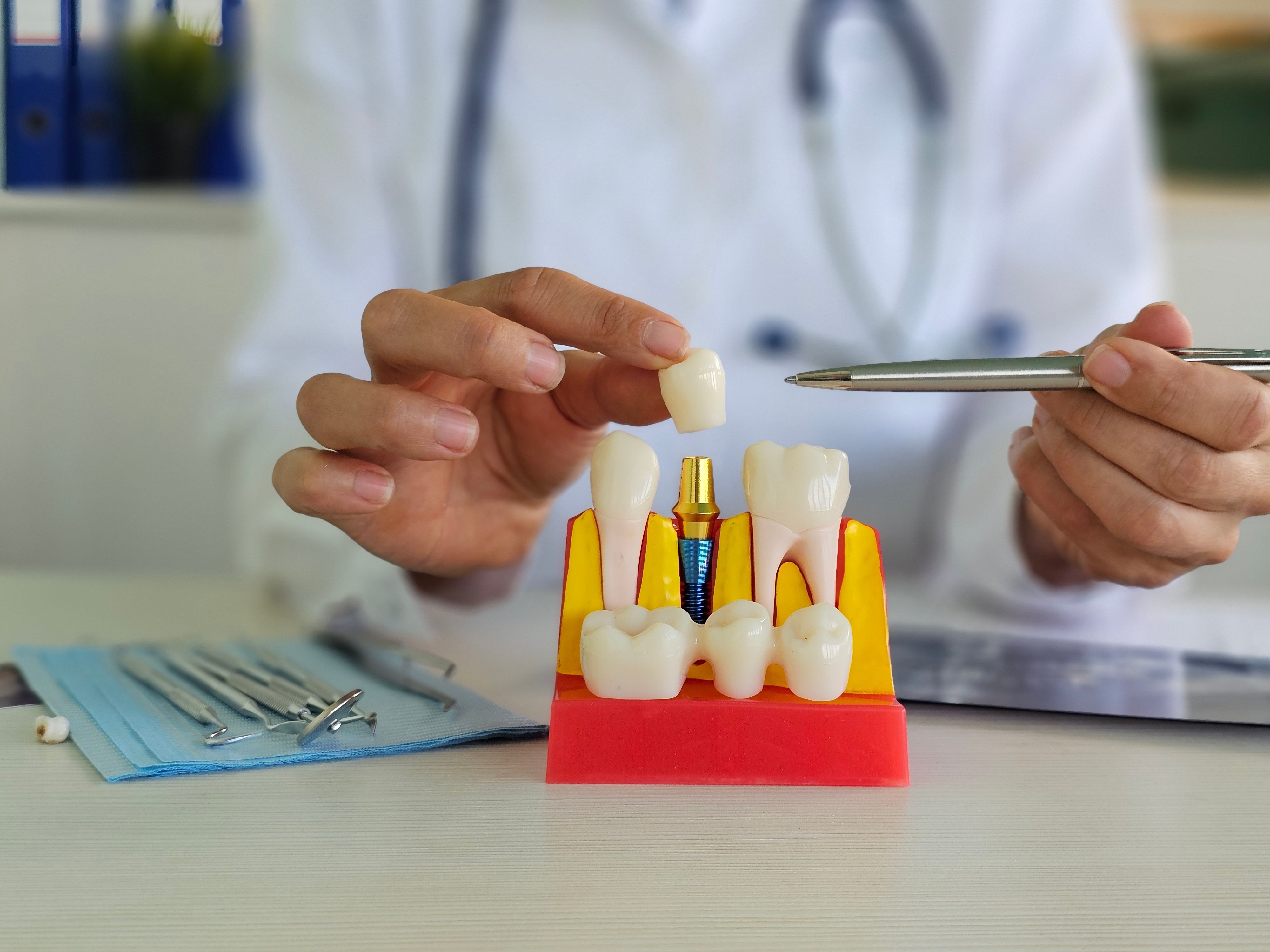
Missing teeth can affect more than just your smile - they can impact how you eat, speak, and feel about yourself. Dental implants have become one of the most popular and effective solutions for tooth replacement, but they’re not the right choice for everyone. Understanding both the benefits and potential drawbacks can help you make a confident, informed decision.
Below, we break down the key pros and cons of dental implants to help you determine whether they may be the right option for you.
What Are Dental Implants?
Dental implants are artificial tooth roots, typically made of titanium, that are surgically placed into the jawbone. Once healed, they support a crown, bridge, or denture that looks and functions like a natural tooth. Implants are designed to be a long-term solution for one or more missing teeth.
Pros of Dental Implants
Natural Look and Feel
Dental implants are designed to closely mimic natural teeth in both appearance and function. They are custom-made to match your surrounding teeth, making them virtually indistinguishable from your natural smile.
Long-Lasting and Durable
With proper care, dental implants can last decades - and often a lifetime. Unlike other tooth replacement options, implants are highly durable and resistant to decay.
Improved Oral Function
Because implants are securely anchored in the jawbone, they allow you to chew and speak comfortably without worrying about slipping or movement, which can sometimes occur with dentures.
Preserves Jawbone Health
When a tooth is lost, the jawbone in that area can begin to deteriorate. Dental implants stimulate the bone, helping to maintain bone density and prevent facial sagging over time.
Protects Adjacent Teeth
Unlike dental bridges, implants do not require altering or grinding down neighboring healthy teeth, helping preserve your natural tooth structure.
Cons of Dental Implants
Higher Initial Cost
Dental implants typically have a higher upfront cost compared to bridges or dentures. However, their longevity often makes them a cost-effective solution over time.
Surgical Procedure Required
Implant placement involves oral surgery, which may not be ideal for patients with certain medical conditions or those who prefer non-surgical options.
Longer Treatment Timeline
The implant process can take several months from start to finish, as time is needed for the implant to fuse with the jawbone before the final restoration is placed.
Not Suitable for Everyone
Patients with insufficient jawbone density, uncontrolled gum disease, or certain health conditions may require additional treatments - or may not be candidates for implants at all.
Potential Risks and Complications
As with any surgical procedure, there are risks such as infection, nerve irritation, or implant failure, though these complications are relatively rare when performed by experienced professionals.
Are Dental Implants Right for You?
Choosing the best tooth replacement option depends on several factors, including your oral health, medical history, budget, and personal goals. While dental implants offer many advantages, a personalized evaluation is essential to determine if they’re the right fit for your needs.
Expert Care For A Stronger, Healthier Smile
Dental implants are a highly effective, long-term solution for replacing missing teeth, offering exceptional stability, function, and aesthetics. However, they also require a financial investment, a surgical procedure, and a longer treatment timeline. Weighing the pros and cons - and discussing them with a trusted dental professional - can help you make the choice that best supports your oral health and lifestyle.
If you’re considering dental implants or exploring your tooth replacement options, the team at SmileOn Dentistry is here to help. Contact our office in Marina Del Rey or Los Angeles, California, by calling (310) 822-0202 or (310) 933-9302 to book an appointment.
Quick Links
Helpful Articles
article_category: products
article_category: psychiatry
article_category: faqs
article_category: cats
article_category: general
article_category: services
article_category: technology
article_category: dogs
article_category: restorative
article_category: vision therapy
article_category: contact lenses
article_category: health
article_category: conditions
article_category: eye surgery co-management
article_category: exotic
article_category: cosmetic
article_category: surgical procedures
article_category: aesthetics
article_category: preventative
article_category: ocular disease management
article_category: eyeglasses
article_category: eye health
article_category: large animal
[]
article_category: psychiatry
article_category: faqs
article_category: cats
article_category: general
article_category: services
article_category: technology
article_category: dogs
article_category: restorative
article_category: vision therapy
article_category: contact lenses
article_category: health
article_category: conditions
article_category: eye surgery co-management
article_category: exotic
article_category: cosmetic
article_category: surgical procedures
article_category: aesthetics
article_category: preventative
article_category: ocular disease management
article_category: eyeglasses
article_category: eye health
article_category: large animal
[]
Flowbite is an open-source library of interactive components built on top of Tailwind CSS including buttons, dropdowns, modals, navbars, and more.
Check out this guide to learn how to get started and start developing websites even faster with components on top of Tailwind CSS.

All Dental Services
We offer a wide variety of dental services to the Marina Del Rey community. Contact us with any questions about our services.

Keep In Touch
For non-urgent questions or to learn more about our services, contact us today!

- Monday 9:00 AM - 6:00 PM
- Tuesday 9:00 AM - 6:00 PM
- Wednesday 9:00 AM - 6:00 PM
- Thursday 9:00 AM - 6:00 PM
- Friday 9:00 AM - 6:00 PM
- Saturday 9:00 AM - 1:00 PM
(By Appointment Only) - Sunday Closed
© 2026 SmileOn Dentistry. All rights Reserved - Accessibility Statement - Privacy Policy - Sitemap
Managed and Designed by 